

When Bullying Happens, at School or Online, Will Your Child Know What to Do?
Children can learn those skills before bullying happens. CASEN gives them a chance to practice recognizing harmful behavior, protecting themselves and others, speaking up, and making safer choices, so they are ready before they face that moment.
What Is Bullying?
Bullying or conflict? Not every hurtful moment is bullying. Two friends who argue, say unkind things, and make up are having a conflict. It becomes bullying when one child keeps targeting another, the child being targeted can’t make it stop, and the behavior is meant to hurt, control, or exclude.
Both matter, and both are worth talking about at home. Knowing the difference helps you decide what to do next.

Click here to play the Audio.
Understanding the Types of Bullying

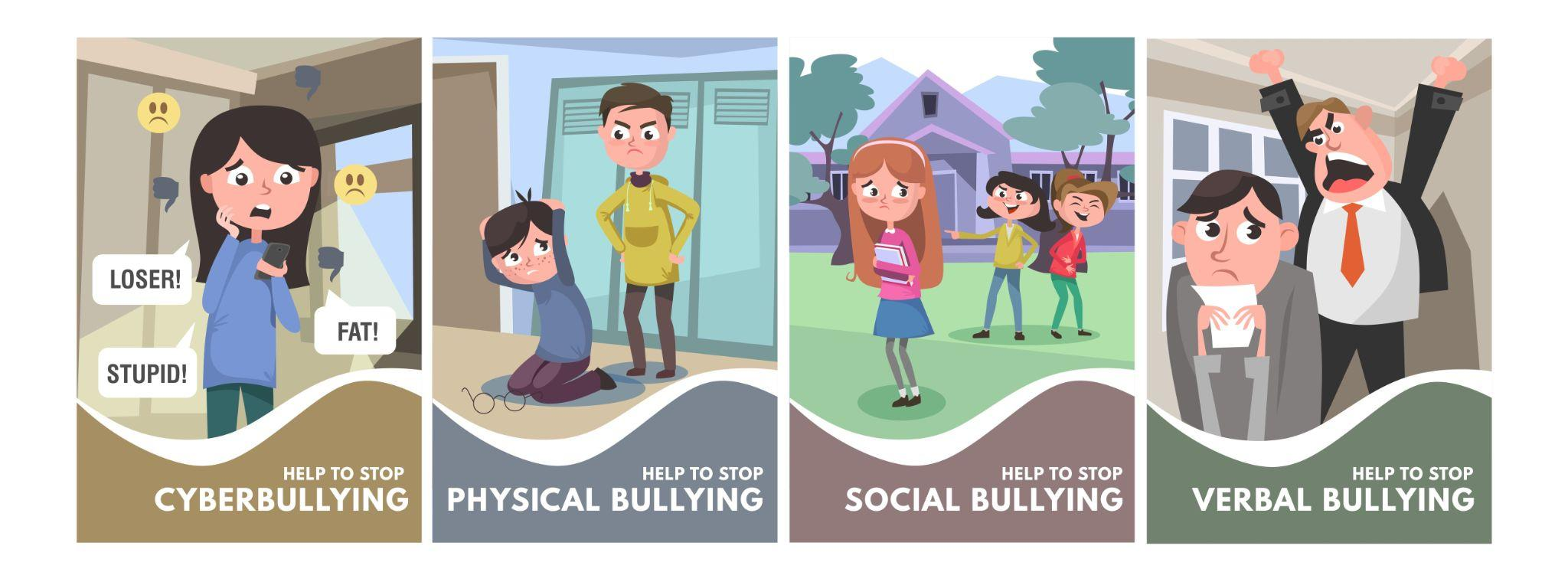
Verbal bullying
Verbal bullying uses spoken or written words to hurt, intimidate, embarrass, or threaten someone.
It may include:
- Repeated teasing or insults
- Name-calling
- Taunting
- Threats of harm
- Inappropriate or unwanted sexual comments
- Hurtful comments about someone’s appearance, abilities, interests, or differences

Social or Relational Bullying
Social bullying, sometimes called relational bullying, aims to harm someone’s relationships, reputation, or sense of belonging.
It may include:
- Intentionally leaving someone out
- Encouraging others not to be friends with someone
- Spreading rumors or harmful gossip
- Publicly embarrassing or humiliating someone
- Turning friends or peers against someone
- Using friendship or group acceptance as a way to control someone

Physical Bullying
Physical bullying uses physical actions to hurt, intimidate, or control someone or to damage their belongings.
It may include:
- Hitting, kicking, or pinching
- Pushing or tripping
- Spitting
- Taking, hiding, or damaging someone’s belongings
- Blocking someone’s path or physically intimidating them
- Making threatening or offensive gestures

Cyberbullying
For today’s children, bullying does not always end when the school day does. Phones, gaming platforms, group chats, and social media can let harmful behavior follow a child home, into the places where they should feel safe.
Cyberbullying is bullying that happens through digital devices such as phones, computers, tablets, and gaming consoles. It can take place in text messages, messaging apps, social media, online forums, group chats, and gaming communities.
It may include:
- Sending cruel, threatening, or humiliating messages
- Posting or sharing embarrassing photos or videos
- Spreading rumors or false information online
- Sharing someone’s private information without permission
- Creating fake accounts or impersonating someone
- Deliberately leaving someone out of online groups or conversations
- Encouraging others to join in online harassment
- Repeatedly targeting someone through social media, messaging, or gaming platforms
Why cyberbullying can be different. Cyberbullying can be constant, hard for adults to see, and seen by a large audience within minutes. A post, screenshot, message, photo, or video can be copied, forwarded, and saved far beyond where it started. That affects the child being targeted, and it also follows the children who create, share, or join in. Some online behavior can also break school policies or platform rules and, depending on the circumstances and local laws, can cross into criminal behavior.
Why Neurodivergent Children Are Targeted More Often
- They may take words literally. A child may not recognize sarcasm, a “joke” that is really an insult, or a dare meant to get them in trouble.
- They may miss subtle social cues. A child may not notice when a group is laughing at them rather than with them.
- They may trust quickly. A child who has longed for friends may stay loyal to someone who is not being a friend.
- They may not tell you. Some children don’t have the words to describe what happened. Others don’t realize it was bullying, or they worry they will lose their device if they speak up.
That is why neurodivergent children need these skills taught directly and practiced, not just explained once.
Is This Bullying? The CASEN Guide to Bullying, Cyberbullying & Online Safety
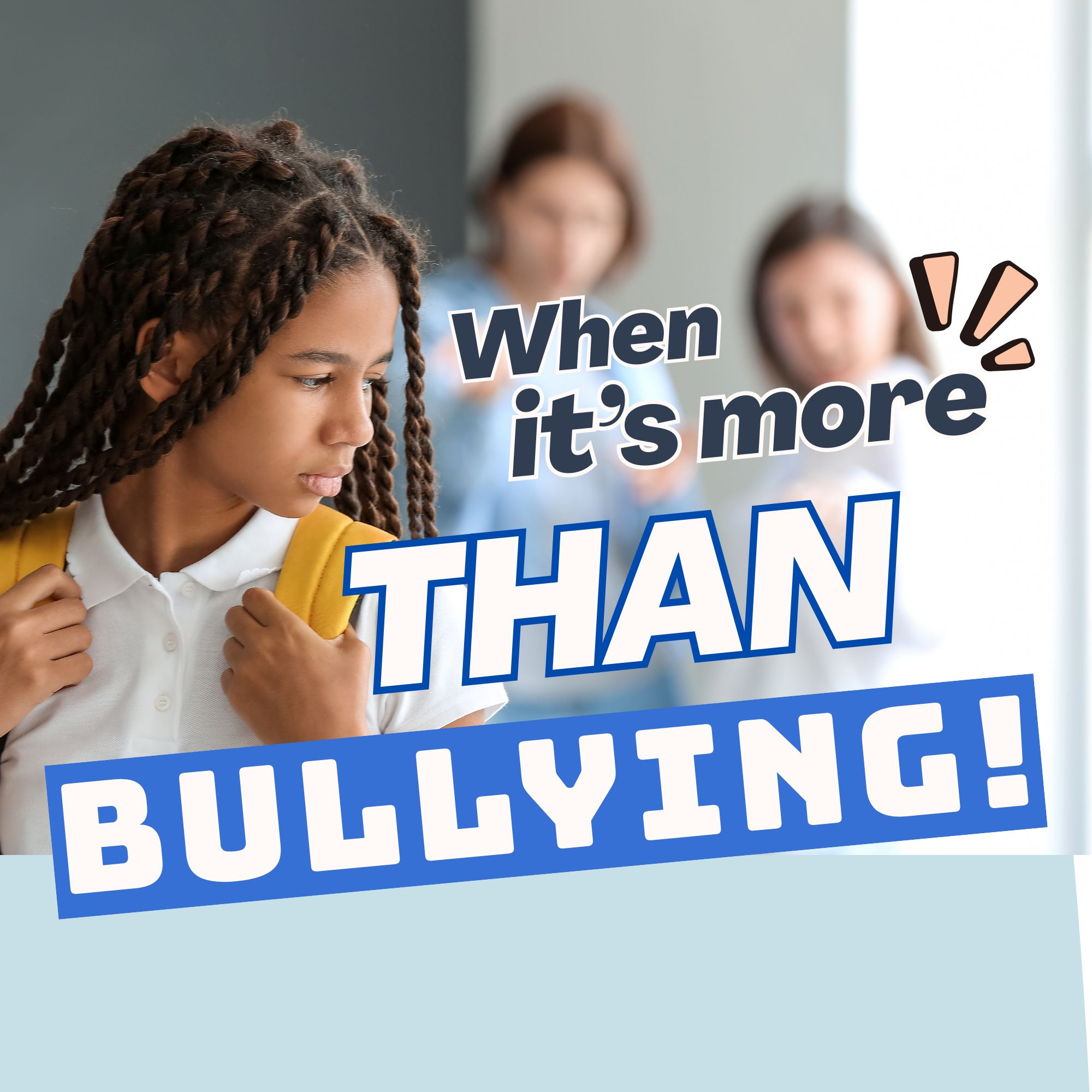
When It’s More Than Bullying
- Threatens to hurt your child or someone else. If anyone is in immediate danger, call 911.
- Asks your child for nude or sexual pictures, or threatens to share pictures of your child. Report it to the NCMEC CyberTipline or call 1-800-843-5678. Take It Down can help remove images of a minor from participating platforms.
- Pressures your child to hurt themselves. If your child talks about hurting themselves, call or text 988, the Suicide & Crisis Lifeline.

CASEN Goes Beyond “Don’t Cyberbully”
Children need more than a list of things not to do online. They need to practice what to do when hard situations actually happen. CASEN teaches those skills through the four directions of the CASEN Compass™:
❤️ Connection: Telling the difference between a friend and someone who is using friendship to hurt or control them.
🛡️ Safety: Protecting their personal information, saving evidence, and leaving a situation that feels wrong.
📣 Advocacy: Telling a trusted adult, reporting what happened, and standing up for others safely.
🧭 Navigation: Stopping to think before they post, share, forward, or respond.
In the CASEN Social Media Readiness Course, children learn these skills in a small virtual class with weekly live sessions. Then children practice what they learn in CASEN Connect™, a moderated space where a facilitator approves every post before another child sees it.
“Thanks to CASEN, my son now has the tools he needs… Not only is he more aware, he can recognize bullying and he can self-manage when it comes to his video games.”
Kelley Costa, CASEN parent
The goal isn’t simply to keep children off social media. It’s to prepare them for the social and digital world they are growing up in.
Bullying by the Numbers
In the 2021–22 school year, about 19% of students ages 12–18 reported being bullied during school. Among students who were bullied, 22% said it happened online or by text. In this federal survey, “during school” includes the school building and grounds, the school bus, the trip to and from school, and phone, internet, or social media use during the school year.
Of the students who were bullied, about two out of three (66.6%) said the bullying was both repeated and came from someone with more power.
The 2023 Youth Risk Behavior Survey from the Centers for Disease Control and Prevention found that 19% of U.S. high school students were bullied on school property in the previous 12 months, and 16% were bullied electronically.
These surveys cover students in grades 6–12, so they don’t capture children under 11. Bullying and cyberbullying can begin much younger, which is why CASEN starts at age 9.
Sources
- Centers for Disease Control and Prevention (CDC). Youth Risk Behavior Survey Data Summary & Trends Report: 2013–2023. https://www.cdc.gov/yrbs/dstr/index.html
- National Center for Education Statistics (NCES). Condition of Education: Bullying at School and Electronic Bullying. https://nces.ed.gov/programs/coe/indicator/a10
- National Center for Education Statistics (NCES). School Crime Supplement to the National Crime Victimization Survey, 2022, Table 2. https://nces.ed.gov/programs/crime/tables/SCS_2022_Table_02.asp
- StopBullying.gov, U.S. Department of Health and Human Services. What Is Bullying? https://www.stopbullying.gov/bullying/what-is-bullying
Videos for Families

United Against Bullying

Learn how to Become VictimProof

We are All Different- and That’s Awesome!