
The Skills Behind Every Friendship, at School and Online
Knowing the rules is rarely the hard part. The hard part is using them in the moment: when a friend is upset, when a group chat turns mean, or when someone online asks for something they shouldn’t. Those moments depend on social-emotional skills.
CASEN teaches neurodivergent children these skills directly. Then we give them a safe place to practice before they need the skills on their own.
See your child’s strengths, and the areas where they may need more support, across Connection, Safety, Advocacy, and Navigation. The assessment is an educational tool, not a clinical evaluation.
What Is Social-Emotional Learning?
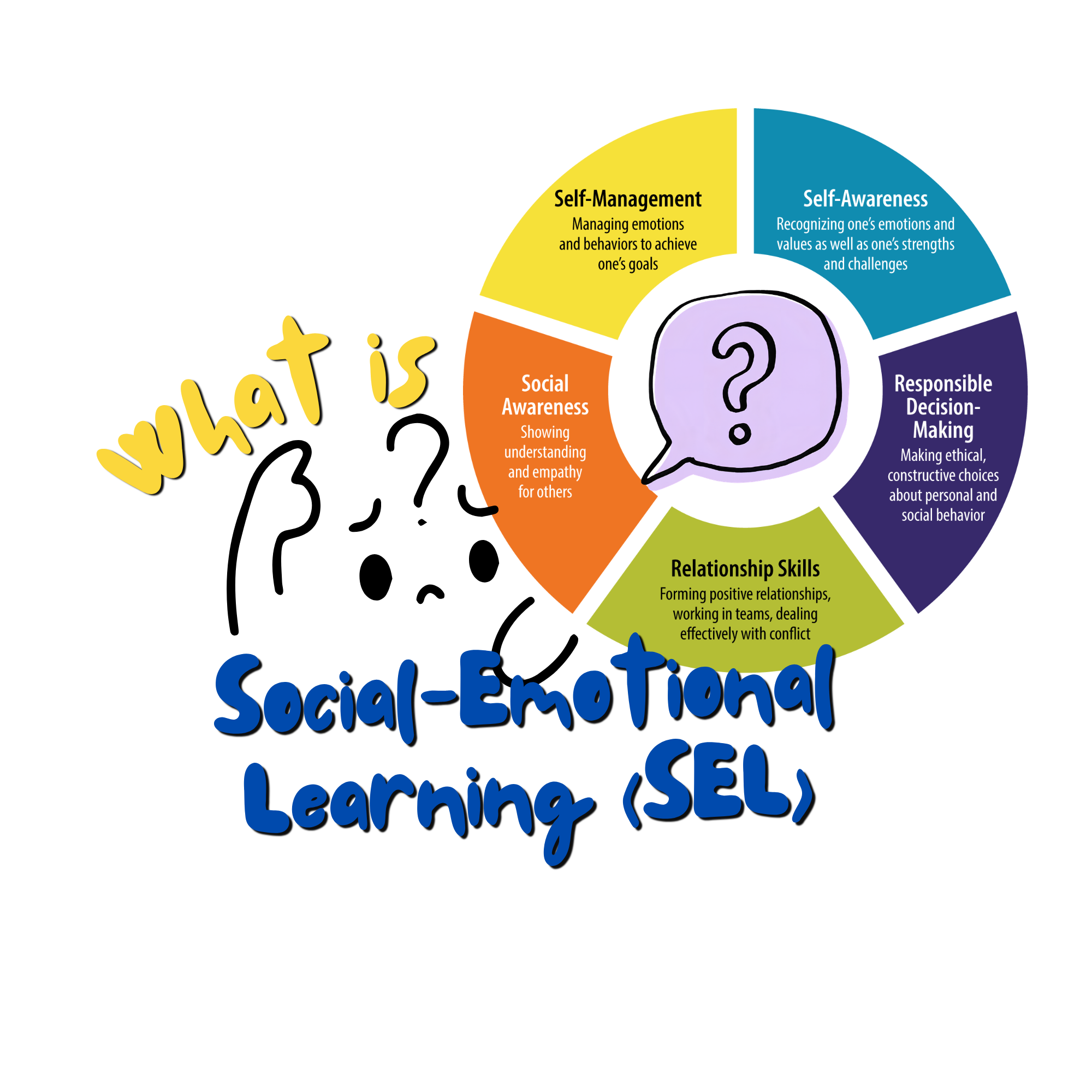
Social-emotional learning (SEL) is the process through which children and adults develop the knowledge, skills, and attitudes needed to understand and manage emotions, build healthy relationships, show empathy, make responsible decisions, and work toward meaningful goals.
The Collaborative for Academic, Social, and Emotional Learning (CASEL) identifies five core areas of social-emotional competence: Self-awareness, self-management, social awareness, relationship skills, and responsible decision-making.
These skills show up well beyond the classroom. Children use them to communicate, respond to challenges, handle disagreements, build friendships, ask for help, make decisions, and get along with others, including in digital spaces.

Why Neurodivergent Children Need These Skills Taught Directly
Many neurodivergent children are kind, loyal, and eager to connect, yet the social side of school and online life still takes extra work. These are some of the reasons:
- They may know a rule but miss the moment to use it. A child can tell you never to share a password and still share it when a friend asks.
- They may need help naming a feeling before they can manage it. It’s hard to calm down when you can’t tell whether you’re angry, embarrassed, or hurt.
- Online, the cues they rely on disappear. A text has no tone of voice and no facial expression, so a joke can read as an insult and a stranger can seem like a friend.
- A skill learned in one place doesn’t always carry over to another. What works at the lunch table may not work in a group chat until the child practices it there too.
That’s why CASEN doesn’t stop at explaining a skill. Children practice it, with adults close by to guide them.
How the CASEN Compass™ Builds Social-Emotional Skills
The CASEN Compass™ gives children four words to remember when a situation feels confusing. Each direction draws on the skills CASEL describes and applies them to friendships, gaming, and social media.
| Compass Direction | SEL Skills It Builds | What It Looks Like Online |
|---|---|---|
| ❤️ Connection: Build healthy relationships. | Relationship skills, social awareness | Telling the difference between a real friend and someone who is using friendship to control them |
| 🛡️ Safety: Protect yourself and others. | Self-management, responsible decision-making | Keeping personal information private, and leaving a chat that feels wrong |
| 📣 Advocacy: Use your voice to help yourself and others. | Self-awareness, relationship skills | Noticing when something isn’t okay, and telling a trusted adult |
| 🧭 Navigation: Make wise choices. | Self-awareness, self-management, responsible decision-making | Stopping to think before posting, sharing, forwarding, or responding |
CASEN is not affiliated with or endorsed by CASEL. We reference CASEL’s framework to show how CASEN’s approach connects to widely used social-emotional learning standards.
From Learning the Skills to Practicing Them
Children may learn what kindness, empathy, boundaries, safety, and responsible decision-making look like. Applying those skills in real situations is much harder.
That is where CASEN comes in.
Learn. In the five-week CASEN Social Media Readiness Course, children learn about healthy relationships, bullying and cyberbullying, online safety, digital footprints, and responsible decision-making in a small virtual class with weekly live sessions.
Practice. In CASEN Connect™, children practice those skills with peers in a moderated, invitation-only space, where a facilitator approves every post before another child sees it.
Our goal isn’t just to teach children how to use social media. It’s to prepare them socially and emotionally before they have to handle it on their own.

Where Do Children Use These Skills Online?
Online social interaction happens in more places than traditional social media. Children talk with others through online games, group chats, messaging apps, video-sharing platforms, livestreams, and virtual communities.
Features such as comments, direct messages, friend requests, voice and text chat, and location sharing all shape how children interact, and each one brings its own risks.
That’s why CASEN doesn’t teach one app or platform. We teach social-emotional skills children can use anywhere, even as technology changes.
Click here to play the Audio.
A Closer Look
What Is Social-Emotional Learning? Jerome Schultz, Ph.D.- Social and emotional skills usually evolve naturally, but it can be difficult for children who have difficulty reading the room, looking for cues in other people, and realizing their own emotional state… “Video: Dr. Jerome Schultz, via Understood.org.”
Dr. Jerome Schultz
Website : https://www.jeromeschultz.com/
Twitter : @docschultz
Source: https://www.understood.org/
5 Ways Social-Emotional Skills Prepare Your Neurodivergent Child for the Digital World
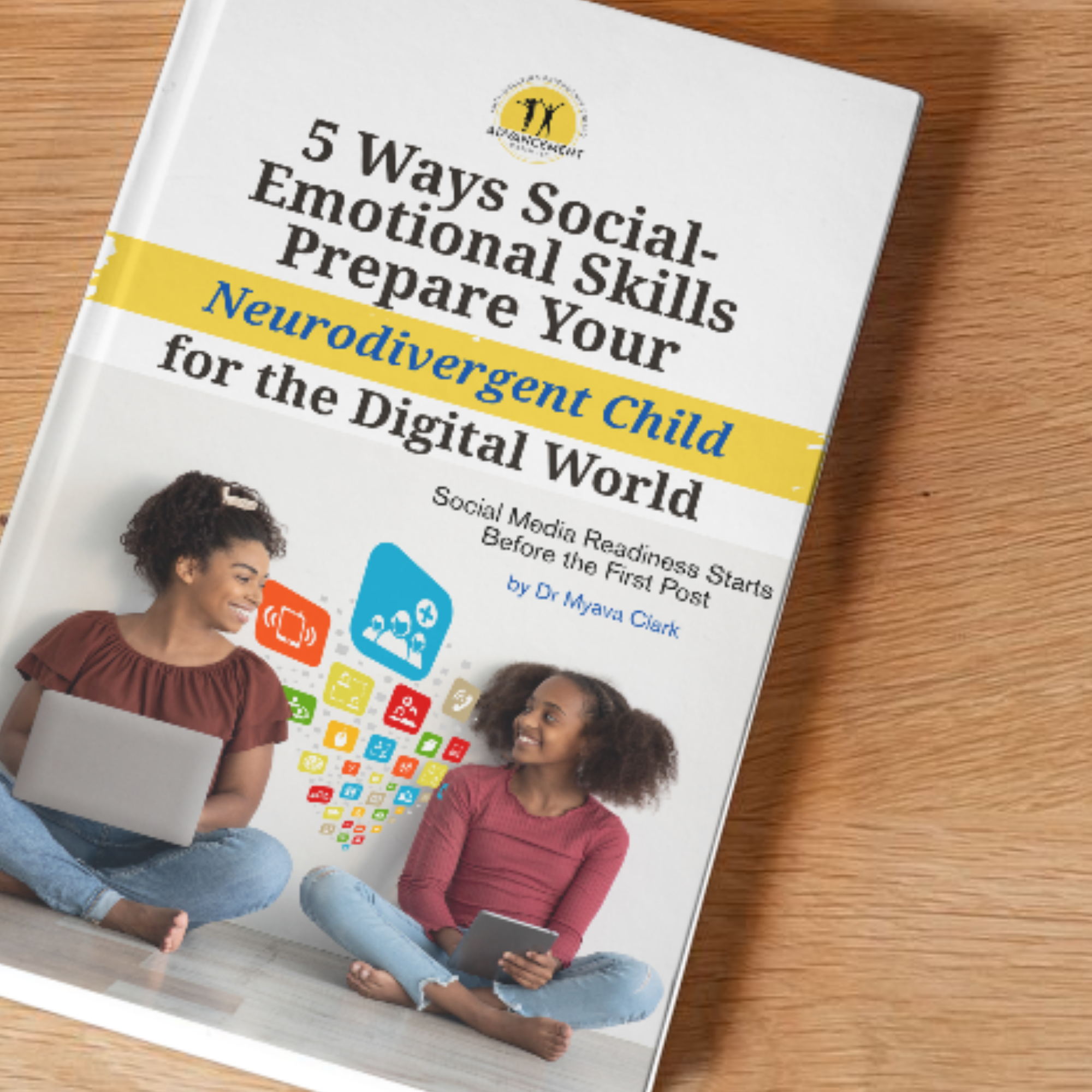
Rules like “don’t share your password” are easy to teach. They are much harder to follow when a friend is the one asking. This guide opens with a short story about a 12-year-old in a group chat. It then walks through five social-emotional skills that prepare neurodivergent children for moments like that one, with a question to ask your child for each.
“I learned important topics on perseverance, mindset, and how video games affect the brain. The lessons are engaging and interactive.”
Oliver, CASEN participant
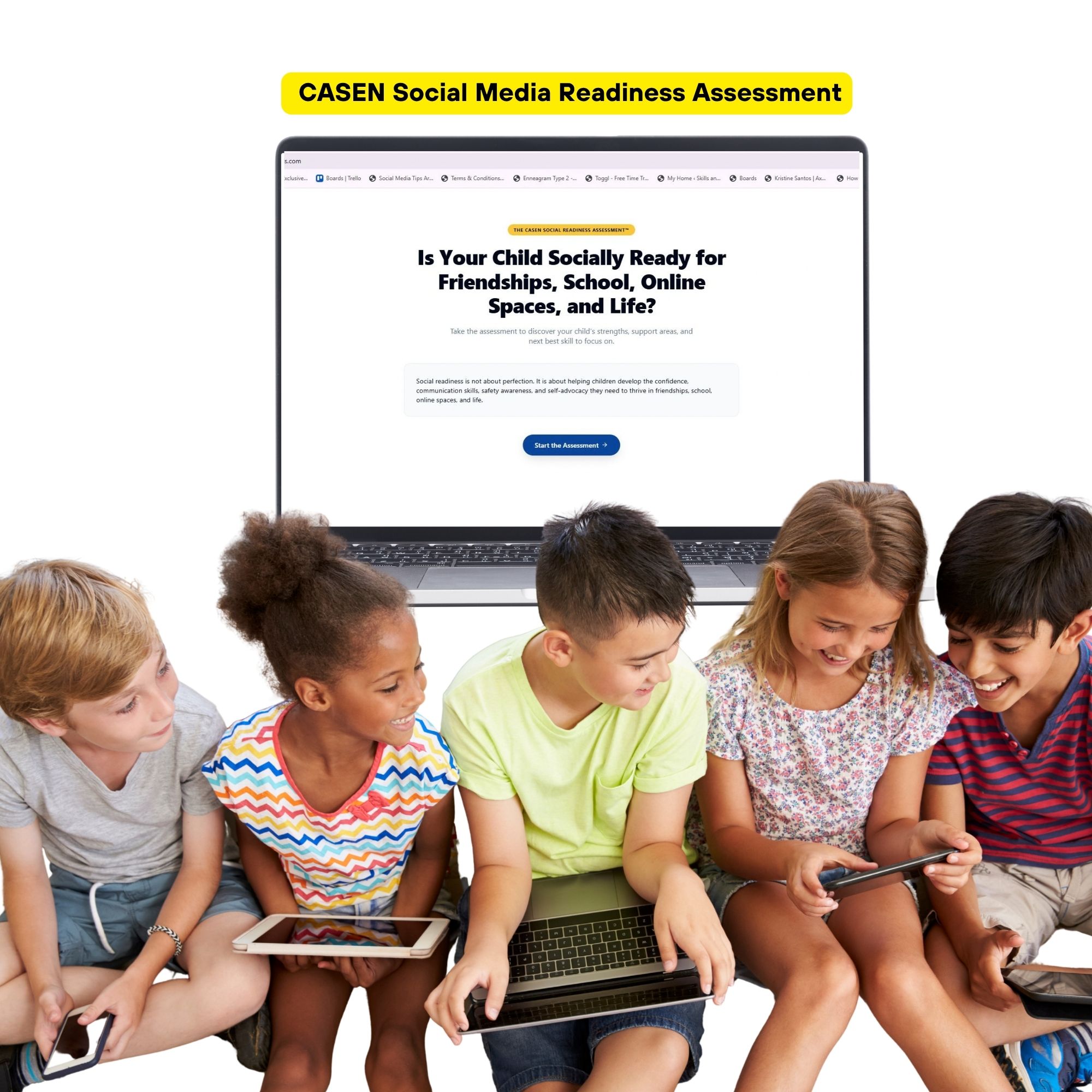
See Where Your Child Is Today
The free CASEN Social Media Readiness Assessment shows where your child is already strong and where they may need more support, so you know where to start.
Sources
- CASEL. What Is the CASEL Framework? https://casel.org/sel-framework/
- CASEL. What Is SEL? https://casel.org/what-is-sel/
- CASEL. Fundamentals of SEL. https://casel.org/fundamentals-of-sel/